
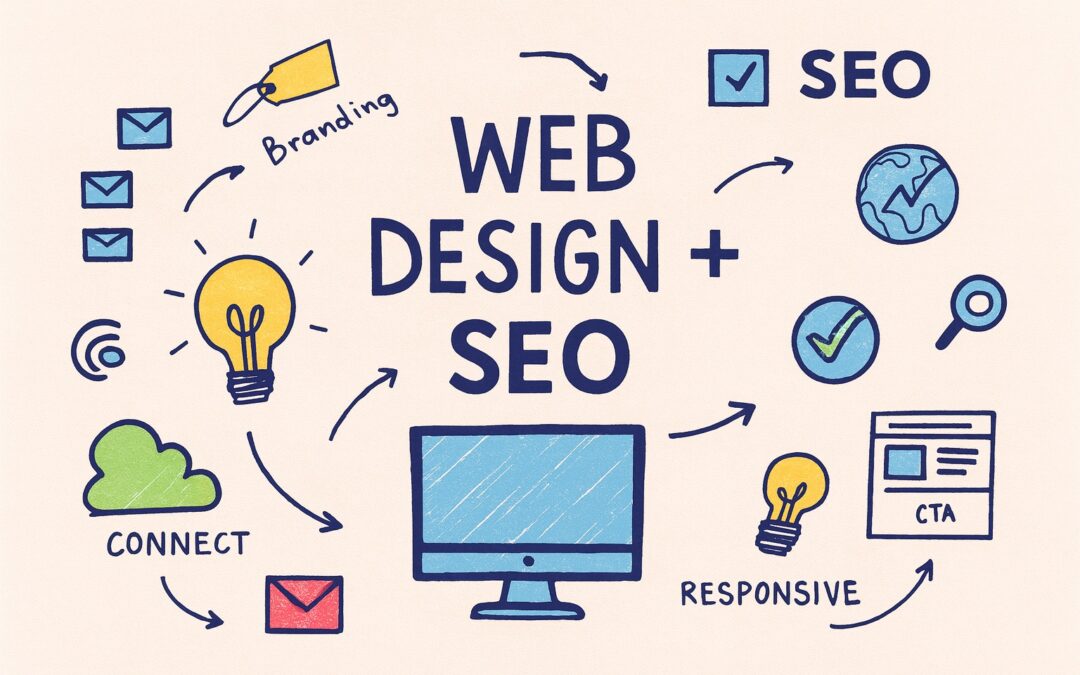
Toronto brands want momentum — here’s a clear path forward
Website Design And Seo Toronto done right: clear options, timelines, and examples Toronto teams can trust. See how design + SEO align for faster, steadier growth.
Design and SEO working together: how results compound
When your design supports search, pages load quickly, content answers real questions, and structure signals relevance. That’s the core of Website Design And Seo Toronto. Think mobile-first layouts, schema markup, intent-focused copy, and simple conversion paths. Teams often pair this with local signals and service-area content — then measure engagement and conversions weekly. To see how this connects with channel mix, browse our Internet Marketing Services.

If you’re weighing vendors, ask about crawlability (sitemaps, internal links), technical audits, and content planning. When these are baked into the build, you reduce rework and keep momentum steady for your SEO services roadmap.
Where in Toronto does this approach fit best?
From Queen West retailers to Liberty Village SaaS teams, Toronto’s fast pace rewards sites that answer intent quickly. We plan around neighbourhood search patterns, seasonal demand, and competition density in the GTA. At Zigma Internet Marketing, our designers work with SEOs in one workflow, so sitemaps, content briefs, and UX decisions reinforce each other.
- Local search heat maps: prioritize pages for high-intent neighbourhood queries, then expand.
- Speed budgets: we set targets before design, so visuals don’t slow performance on mobile.
- Conversion scaffolding: clear CTAs, forms, and trust cues aligned to each service page.
- Content cadence: page templates that make it easy to publish consistently after launch.
The result: fewer rebuilds, cleaner analytics, and a site that’s easier to grow quarter after quarter.
Compare your options before you commit
Before you lock a direction, it helps to see the trade‑offs. Each path to Website Design And Seo Toronto balances speed, cost, and flexibility — and choosing with a clear head saves time later.
Build approaches (how you create the site)
Option A: Templated theme build: A pre-built theme adapted to your brand. Faster to launch and budget-friendly, with guardrails that keep layouts consistent. Great for small to mid sites when you want a clean, dependable start.
- How it works: Customize fonts, colours, sections; add core pages and basic schema; optimize speed and on‑page SEO.
- Best fit: Service businesses needing a launch in ~4–6 weeks with a clear services tree and blog.
- Example: A Leslieville studio launched in 5 weeks and cut bounce by 22% after intent-led headings.
Option B: Custom design system: UX research, wireframes, and components tailored to your content strategy. More flexible and scalable for teams planning multi‑service growth.
- How it works: Discovery → UX → UI → modular blocks; SEO woven into templates and content briefs.
- Best fit: Brands expecting frequent updates, landing pages, and multi-location SEO.
- Example: A Midtown clinic rebuilt with a component library; organic leads rose ~31% in 6 months.
Option C: Hybrid (theme + custom blocks): Start with a proven theme, then add bespoke modules for key pages. Keeps velocity while giving flagship pages extra polish.
- How it works: Theme base for speed; custom sections for service hubs, FAQs, and case studies.
- Best fit: Growing SMBs that want faster launch plus room to expand content clusters.
- Example: A Junction retailer shipped in 6 weeks; hub pages later lifted non-branded clicks by 28%.
SEO implementation styles
Option A: Foundational SEO pass: Technical fixes, metadata, internal linking, core schema, and intent-aligned copy for each service page.
- How it works: Pre‑launch audits; map keywords to pages; add FAQs; set tracking and goals.
- Best fit: New builds needing a solid base for ongoing content without heavy monthly retainers.
- Example: A Roncesvalles café earned map calls up ~19% in 90 days from local FAQs.
Option B: Ongoing content + links: Monthly content plan, digital PR, and technical upkeep. Pairs well with digital advertising for steady pipeline.
- How it works: Publish clusters; refresh older posts; pursue reputable citations; monitor Core Web Vitals.
- Best fit: Competitive niches and multi‑location brands in the GTA.
- Example: A Bloor West clinic saw ~34% more organic form fills in 8 months with topical clusters.
Option C: Local-first + conversion revamp: Polish GBP, reviews, and local pages while reworking forms, CTAs, and social proof.
- How it works: Expand neighbourhood pages; add structured data; test headlines and layouts.
- Best fit: Service businesses whose traffic exists but contact rates lag.
- Example: Etobicoke trades business lifted lead rate from 2.1% → 3.7% in 12 weeks.
Platform choices
Option A: WordPress: Flexible, widely supported, and SEO‑friendly with robust plugin ecosystems. Great for service pages, blogs, and custom templates.
- How it works: Use modern blocks, caching/CDN, and lightweight themes; pair with analytics and heatmaps.
- Best fit: Content‑led sites and local lead generation with evolving service lines.
- Example: Toronto non‑profit improved page speed to 90+ and saw time‑on‑page up 24%.
Option B: Shopify: Built for ecommerce with fast checkout and structured product SEO. Ideal when catalog and merchandising matter.
- How it works: Optimize collections, facets, and product schema; streamline theme code.
- Best fit: Retailers balancing content with strong merchandising calendars.
- Example: East‑end shop improved organic revenue ~18% after collection page rewrites.
Option C: Headless (select cases): Performance and flexibility for complex setups; requires more engineering and governance.
- How it works: Decouple front-end; use APIs; maintain SEO routing and metadata controls.
- Best fit: Larger teams with dev support and multi‑system needs.
- Example: Bay Street firm launched a headless blog hub; organic entrances rose ~21% in 5 months.
.jpg)
Which approach fits your pace, budget, and comfort?
If you need something live fast, a theme build keeps costs predictable. If you’re scaling content and landing pages, a custom system saves effort later. Many teams also prefer a local SEO partner who can adjust monthly priorities as seasons shift — especially in busy Toronto corridors.
Case in point: a Danforth clinic needed reliable local leads
In our projects, we’ve seen how small changes compound. This client, a dental clinic near Danforth Ave. in Toronto, relied on word of mouth and sparse ads. They wanted steadier local discovery and a site that explained treatments clearly without noise.
Challenge: Thin service pages; slow mobile load
What we did: Local schema and FAQs, faster theme, treatment hub with internal links
Outcome: 27% more organic calls within 5 months
Client note: “We finally show up for the terms people actually use — the phones reflect it.”
As a digital marketing agency Toronto businesses turn to, we prioritize the handoff: content templates, reporting, and a simple update process the staff can maintain.
Trust first: a smarter route to Website Design And Seo Toronto
Teams choose Zigma for hands-on guidance, transparent plans, and measurable steps — from site speed to content briefs. If you want clarity on Website Design And Seo Toronto, reach us at +1(647) 556-6071 or info@zigma.ca. We’ll outline practical options and timelines without pressure.
Why Locals Trust Us?
Data-driven strategies, creative campaigns, and measurable results.
See the website-to-SEO flow in action (short walkthrough)
Prefer visuals? Imagine a quick tour showing how we map services to search intent, build fast page templates, and layer schema/FAQs so content answers real questions. If you like working step by step, this overview helps you picture how design changes boost discoverability — and why simple structure beats complexity.
Video highlight slot: A concise walkthrough would appear here. For now, think of it as a storyboard: wireframes → content briefs → technical checks → launch → monthly improvements.
.jpg)
Honest insights from the field
Theme vs custom: the trade you actually make
Themes speed launch but limit some layouts; custom adds flexibility but needs more planning.
Speed budgets set early prevent design choices from hurting rankings later.
Content governance (who writes, how often) matters as much as platform.
Choose the path that protects momentum six months from now — not just week one.
Hidden truths we wish more teams knew
There’s a moment when you see your site and search working in unison — and the fog lifts. The trick isn’t grand gestures; it’s consistent, connected steps. Here are a few hard-earned lessons that quietly decide outcomes.
- Internal links are leverage: Linking service pages to related guides raises relevance and keeps users moving — a quiet driver of growth.
- Speed is a budget line: Set a performance target before design. Fixing bloat later costs more than preventing it.
- Answer intent, not just keywords: The best pages read like helpful conversations; engagement metrics follow.
- Reviews fuel local visibility: A steady trickle beats bursts. Think process, not campaigns, for map results.
These are just a few of the lessons teams learn the hard way — but knowing them upfront can change how your Website Design And Seo Toronto story unfolds.
Five practical steps to move from plan to launch
Step 1: Map services to search intent
List your core services and pair each with primary and supporting queries. This anchors page structure and avoids overlap. This step helps clarify your sitemap so you can reduce cannibalization and confusion.
Hint: Think “one page = one intent” and add FAQs for follow-ups.
Second note: Draft titles/meta now; it speeds content writing later.
Example: A home services brand split “repairs” vs “installations,” lifting click‑through by ~14%.
Step 2: Set a speed budget
Decide acceptable load times and asset sizes before design. This step helps keep pages fast so you can protect rankings and conversions on mobile.
Hint: Aim for CWV-friendly LCP, CLS, and TBT targets.
Second note: Use a CDN and compress images by default.
Example: Trimming JS cut homepage load by 0.7s; calls increased the next month.
Step 3: Build modular content blocks
Create reusable sections for benefits, proof, FAQs, and CTAs. This step helps you publish faster so you can keep a reliable cadence after launch.
Hint: Plan blocks that fit 80% of your pages.
Second note: Keep blocks light; avoid heavy animations.
Example: A service hub shipped in days, not weeks, thanks to a proof + FAQ module.
Step 4: Wire SEO into templates
Add structured data, internal link slots, and intent-led headings to templates. This step helps search engines parse relevance so you can win more qualified clicks.
Hint: Use FAQ and LocalBusiness schema where appropriate.
Second note: Pre-plan alt text and anchor patterns.
Example: Template-level schema improved impressions on new pages within weeks.
Step 5: Launch with a 90‑day plan
Schedule content updates, technical checks, and reviews. This step helps keep momentum so you can adjust to real data instead of guesses.
Hint: Track conversions, not just rankings.
Second note: Refresh early pages by day 60–90 based on queries.
Example: A local service page edit lifted contact form conversions by 0.8 points.
Steady growth feels calm when the pieces connect
When design, content, and search pull in the same direction, the experience feels effortless — for you and your visitors. Keep publishing, keep refining, and protect speed like a precious asset. If you ever need a second set of eyes, trusted SEO consultants Toronto can validate your roadmap and remove roadblocks. For ongoing reference, the documentation at Google Search Central is worth bookmarking.
Let’s Grow Your Business Together
Data-driven strategies, creative campaigns, and measurable results — tailored for your goals.
Stats that guide smarter decisions
Numbers won’t build your site, but they will shape priorities. Benchmarks help you decide where to invest first: speed, content, or local signals. For Website Design And Seo Toronto, think in timelines and ranges, not absolutes — then adjust as data arrives.
- Independent surveys indicate localized messaging boosts engagement ~15–30% in urban markets.
- Industry reports suggest SEO investments often show positive ROI within ~6–12 months in competitive cities like the GTA.
- Across comparable North American markets, page speed improvements correlate with ~8–20% higher conversion rates.
In Summary: Key Insights from This Guide
Design and SEO win together when structure, speed, and intent align. Use this shortlist to focus your next moves in Website Design And Seo Toronto.
- Map one page to one intent: improves clarity and avoids overlap.
- Set a speed budget early: cheaper to prevent bloat than fix it.
- Build reusable blocks: publish faster and keep quality consistent.
- Lay a 90‑day plan: review data and refine content where it matters.
Next Steps: How We Can Support Your Goals
If you’re comparing approaches, we’ll outline a simple plan that fits your timeline and resources for Website Design And Seo Toronto.
- Lightweight audit: find speed, structure, and content gaps in days.
- Content mapping: align services to search intent with clear briefs.
- Local playbook: neighbourhood pages, GBP updates, and review flow.
FAQs About Website Design And Seo Toronto
Need marketing results?
Our team will guide you with strategies that drive measurable growth.
Related Topics:
- Digital Marketing Agency Toronto: What You Should Know Before Hiring
- Local SEO Toronto: Boost Your Business Visibility & Attract More Local Leads
- SEO Marketing Toronto: Compare Top Services, Pricing & Results for 2025
- SEO vs PPC: Which Strategy Is Right For Your Business?
- Is Your SEO Richmond Hill Plan Built to Win Local Leads?

? Metadata Output (Required at End):